Ph.D. student Hadear Hassan successfully defends!

February 10, 2026

Ph.D. student Hadear Hassan joined our group in Fall 2021 after graduating with a BS in mechanical engineering from Texas A&M University. As of Tuesday this week she has successfully defended her Ph.D. thesis! Her thesis is titled “Quantitative System Analysis of Efficiency and Resilience in Complex Systems: Manufacturing and Innovation Networks” and uses bio-inspiration and systems modeling and analysis approaches to advance the fields of smart and sustainable manufacturing as well as entrepreneurial success.

Hadear has been advised by myself and Dr. Cynthia Hipwell since focusing her thesis more on innovation networks thanks to an opportunity to work with NSF’s ICorps program. In addition to her research pursuits, Hadear is also deeply invested in engineering education. Hadear was awarded the J. George H. Thompson Fellowship in 2022 and the 2023 Association of Former Students Distinguished Graduate Student Award for Excellence in Teaching, and is also an Associate Fellow in the Center for the Integration of Research, Teaching, and Learning (CIRTL) Academy for Future Faculty (AFF). She has also won both of our department’s Walker and Cain Impact Awards in 2023 and 2024, respectively. In 2025 she was awarded a coveted spot to attend the Global Young Scientists Summit in Singapore and the Brenda & Jerry Gray ’62 departmental fellowship.

Her thesis seeks to design systems that are both sustainable and resilient, whether those are manufacturing or innovation systems. The methodologies explored include Bio-Inspired Approaches, Multi-Criteria Decision Analysis, Discrete Event Simulation, and Social Network Analysis. These approaches benchmark existing systems and develop a comprehensive framework that facilitates their effective design and quantification. The framework is applied and evaluated through the case studies of manufacturing systems and innovation networks. The tools and benchmarks generated not only provide immediate sustainability benefits but also enable ongoing tracking and measurement of long-term impacts, aiding policy and decision-makers in achieving objectives while ensuring survival.
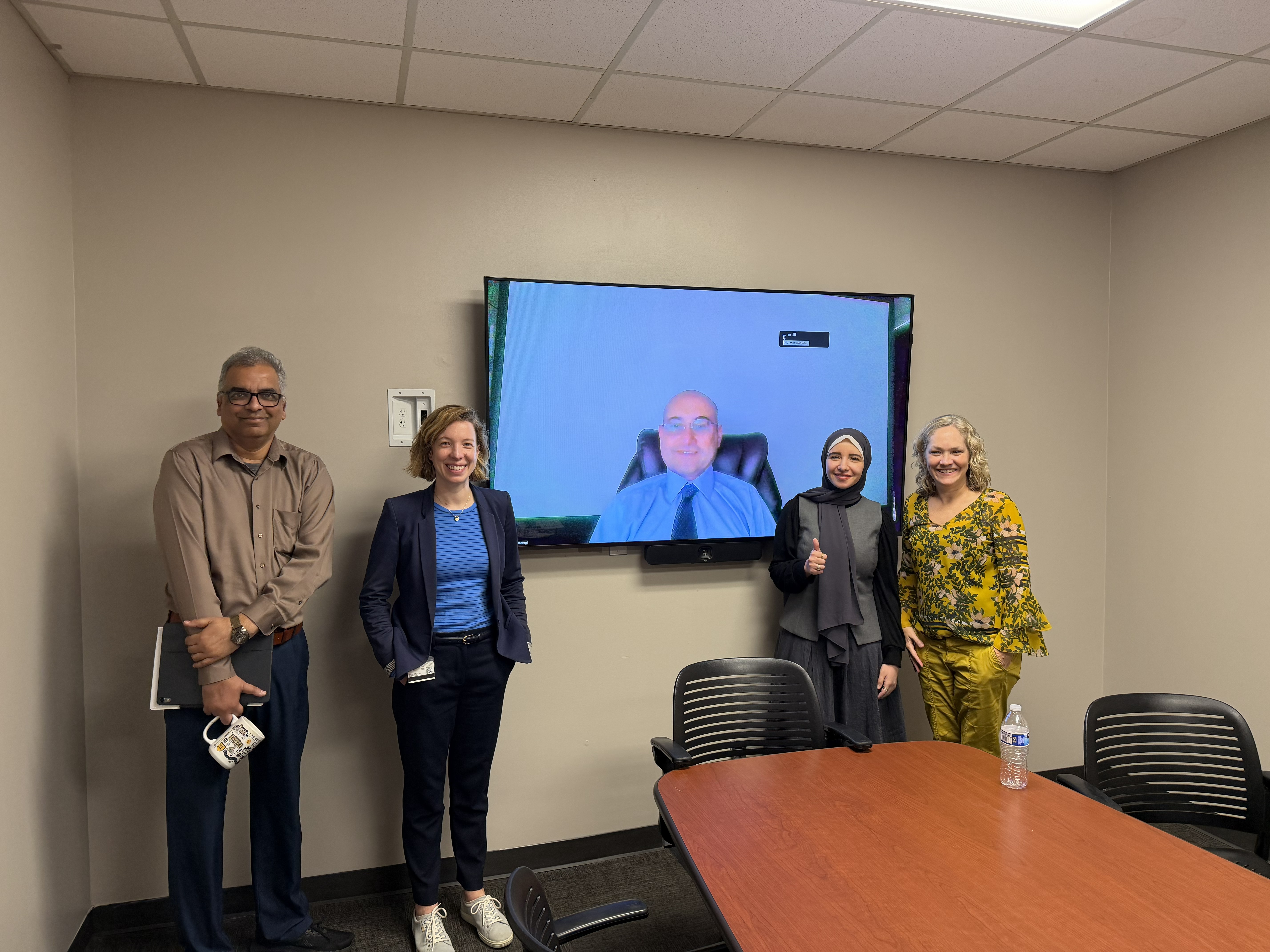

Committee members with Hadear Hassan. (L-R) Dr. Arun Srinivasa, Dr. Astrid Layton, Dr. Mahmoud El-Halwagi, Hadear Hassan, and Dr. Cynthia Hipwell.

Ph.D. Student Emily Payne Successfully Defends!

January 30, 2026

Ph.D. student Emily Payne joined the BiSSL group in Spring 2022 while she was still an undergraduate Architectural Engineering student. On January 30th she successfully defended her Mechanical Engineering PhD. Her Ph.D. thesis work is titled “Learning from Biological Ecosystems to Design and Analyze Resilience in Complex Multi-flow Systems” and has produced 5 journal papers and 5 conference papers. She’ll be starting at Johns Hopkins University’s Applied Physics Laboratory (APL) this summer after her graduation.

She is a member of the Society of Women Engineers and our Mechanical Engineering Female Graduate Student Association (MEFEGs) and actively supports engaging with the next generation of female engineers. She has collected a host of awards while a graduate student in BiSSL, including a Energy Institute Chevron Energy Graduate Fellow in 2025 and a Boeing Fellow in 2024, the Susan M. Arseven ’75 “Make A difference” memorial award from WISE in 2025, the 2023 J. Mike Walker ’66 Impact Award, and the Women in Engineering Chevron Award in 2023. Emily has worked on developing a more sustainable balance between building energy usage and resilient technology with research looking at improving the sustainable ranking of buildings. Her primary thesis work focuses on resilience in cyber-physical power systems, seeking to improve resilience through modeling the cyber-physical interface and our ability to understand risk propagation through the multi-layer complex network.

Her dissertation presents a holistic approach for the analysis of complex multi-flow systems taking inspiration from nature’s resilient ecosystems. Graph-based methodologies containing analogies from ecological modeling, including plant-pollinator networks and predator-prey networks, provide an innovative approach for balancing resilience, sustainability, and robustness. The proposed approaches assist in identifying critical interdependencies between components, analyzing patterns of adversarial system impact, and provide design suggestions for the future construction of cyber-physical power systems and sustainable buildings.

You can read a focus piece on Emily’s unique path to a Ph.D. in mechanical engineering here.

Walk Like an Engineer

Feb. 15, March 22, and April 19 Lick Creek Park, College Station, Texas

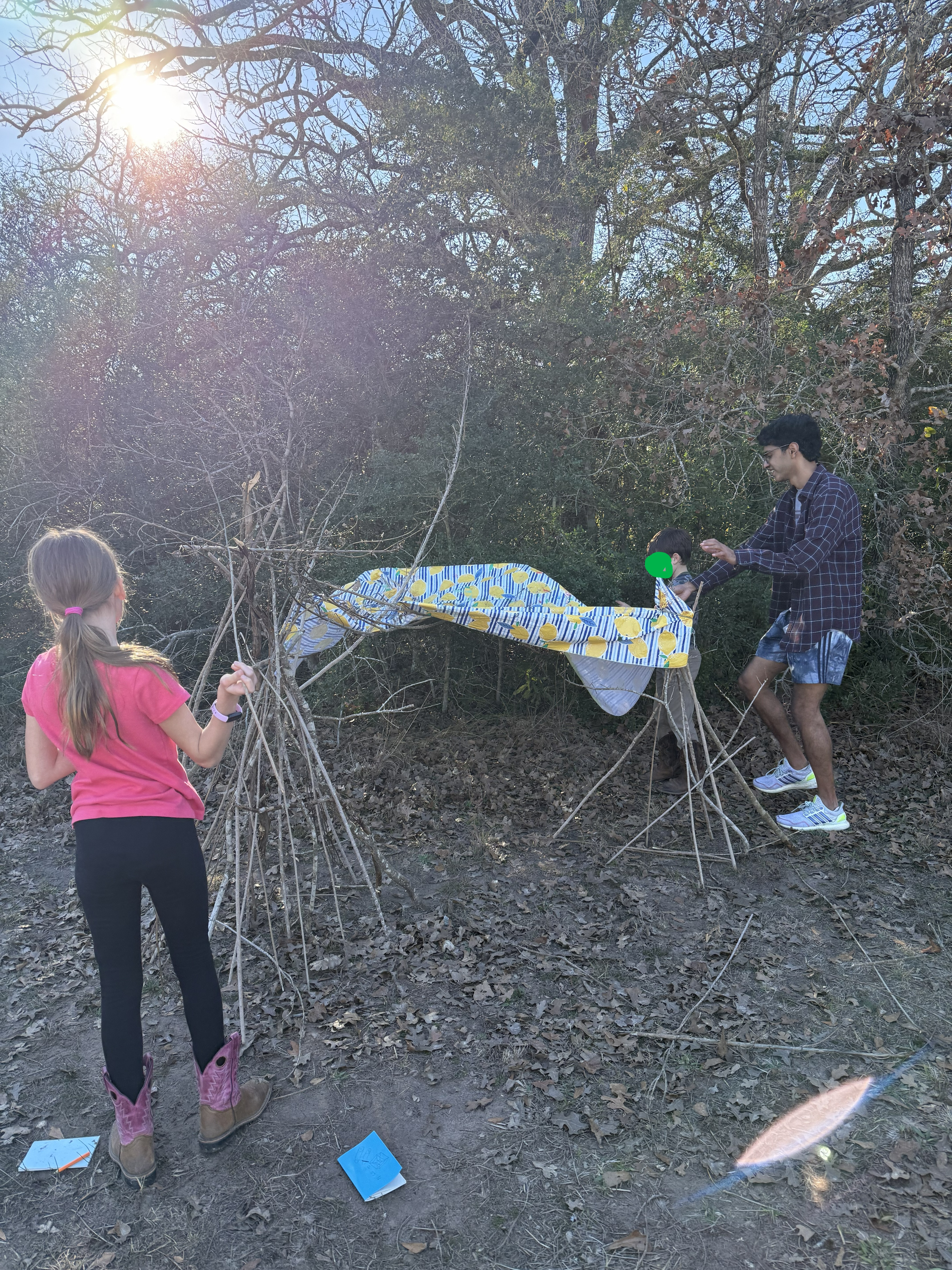
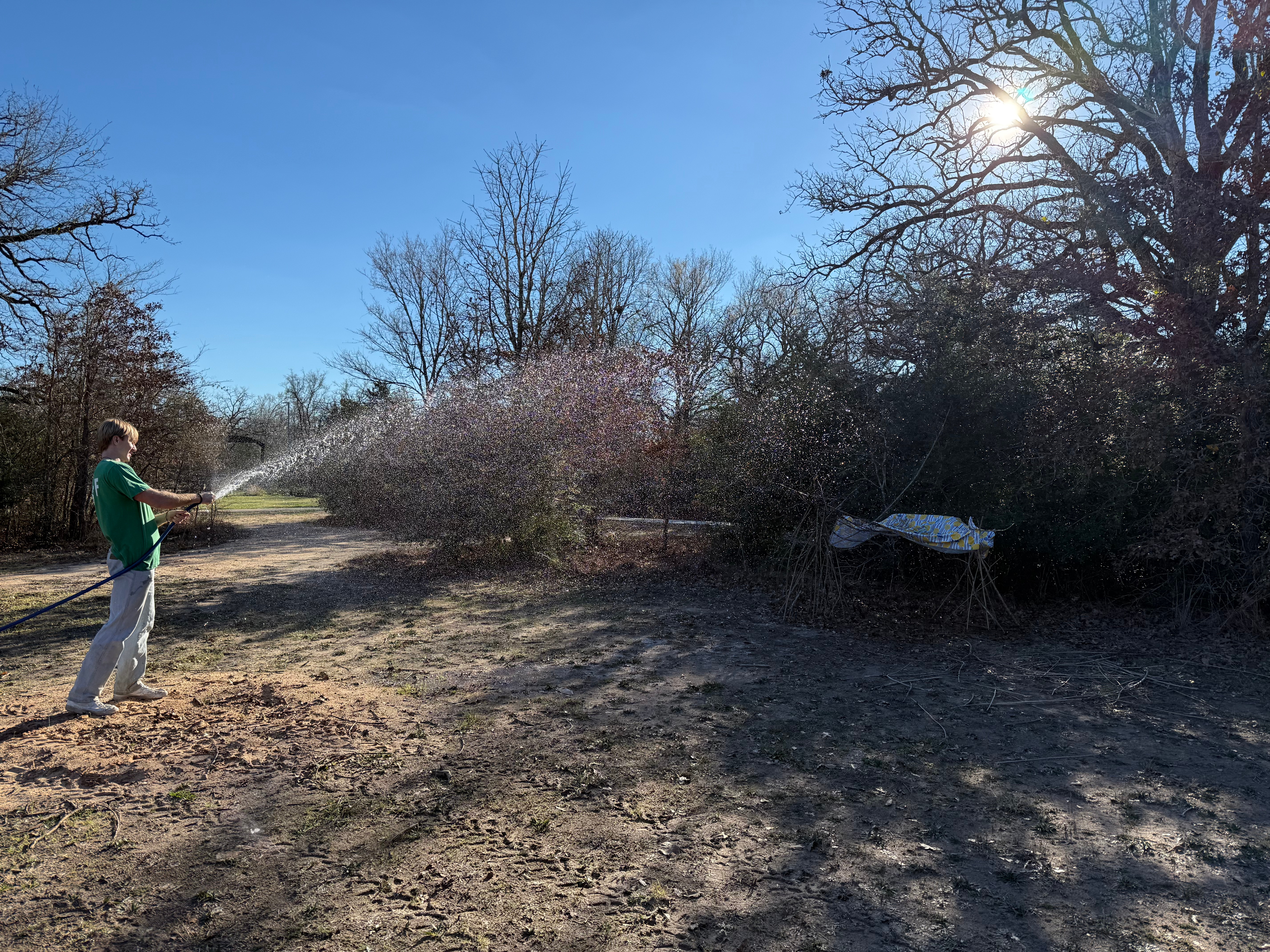
The BiSSL group will be hosting a Walk Like an Engineer program with College Station, TX local Lick Creek Park and Gary Halter Nature Center. The events combine learning about the local nature and engineering design, introducing the concept of bio-inspired engineering design. Each day focuses on a different topic including nature’s communities, communication in nature, and nature’s homes. The Spring 2026 events are designed for kids ages 7-12 to attend with their parents. The event is partially funded and designed in conjunction with a grant supported by the National Science Foundation.

Find out more here.

Design Society SIG on Design Theory

February 2-6, 2026 Paris, France

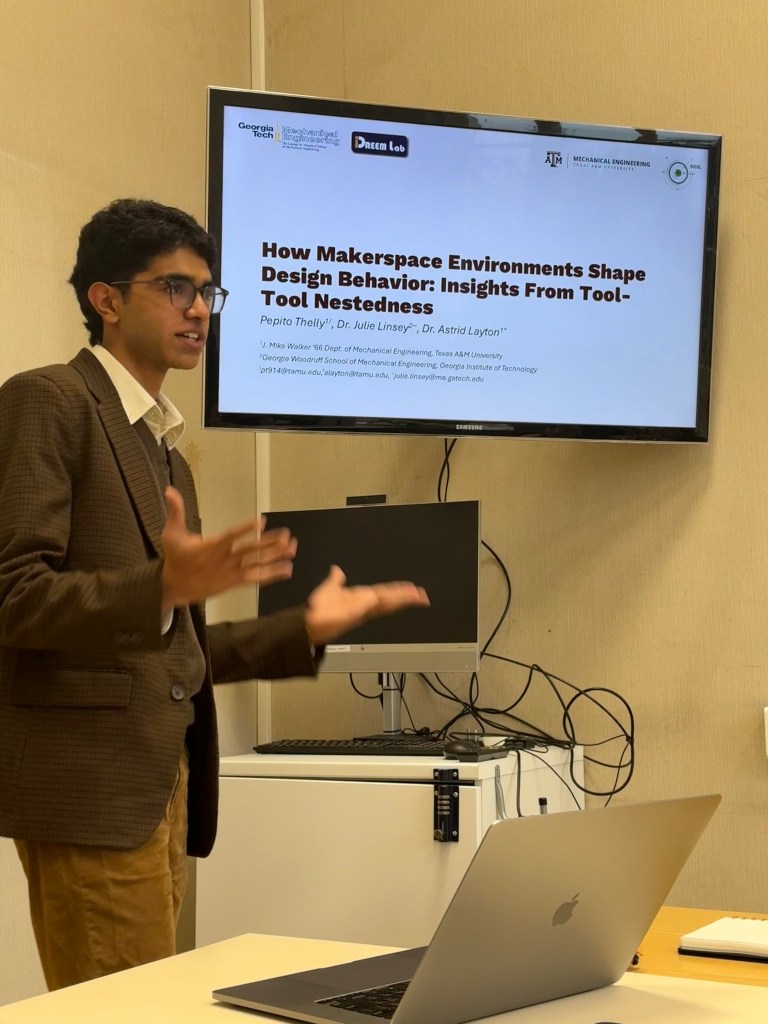
The BiSSL group was at the 19th SIG Design Theory Workshop and the 10th SIG Tutorial on Design Theory at the Paris School of Mines. The workshop covered contributions in the areas of the Design Theory SIG: 

  • Design theory and the economics of design
  • Design Theory and other disciplines: AI, cognition, engineering sciences, data science, biology, physics…
  • The value of Design Theory for Practitioners
  • Design Theory and Education
  • Design Theory and perception theory: reception and critique of design, identity of objects
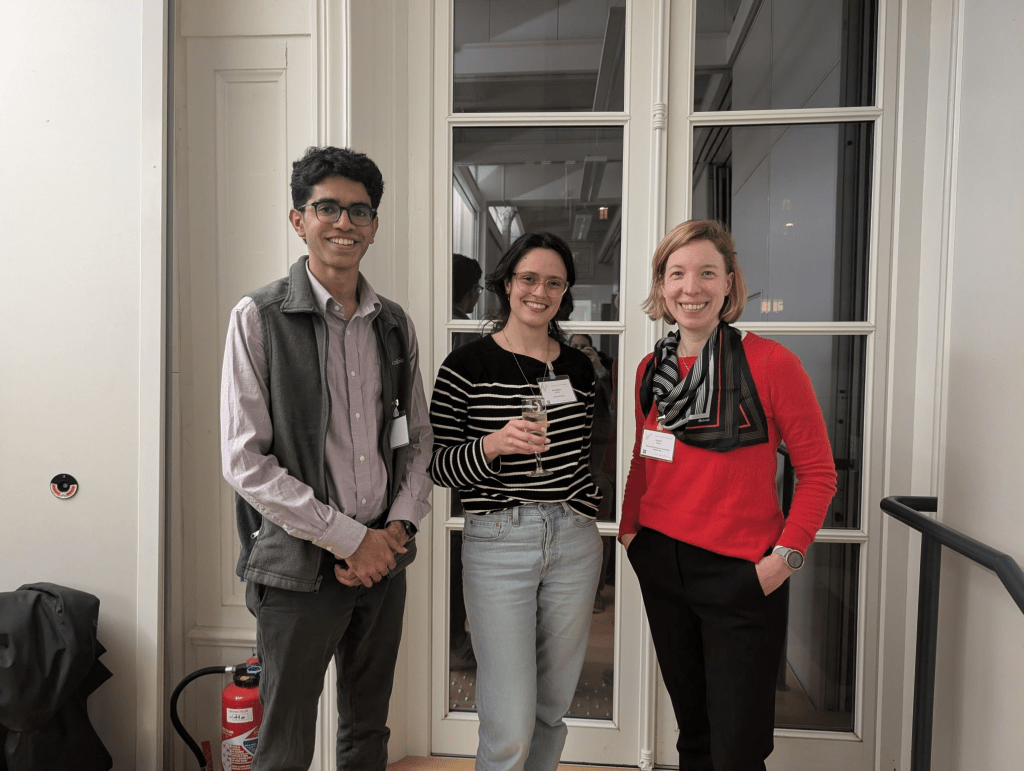
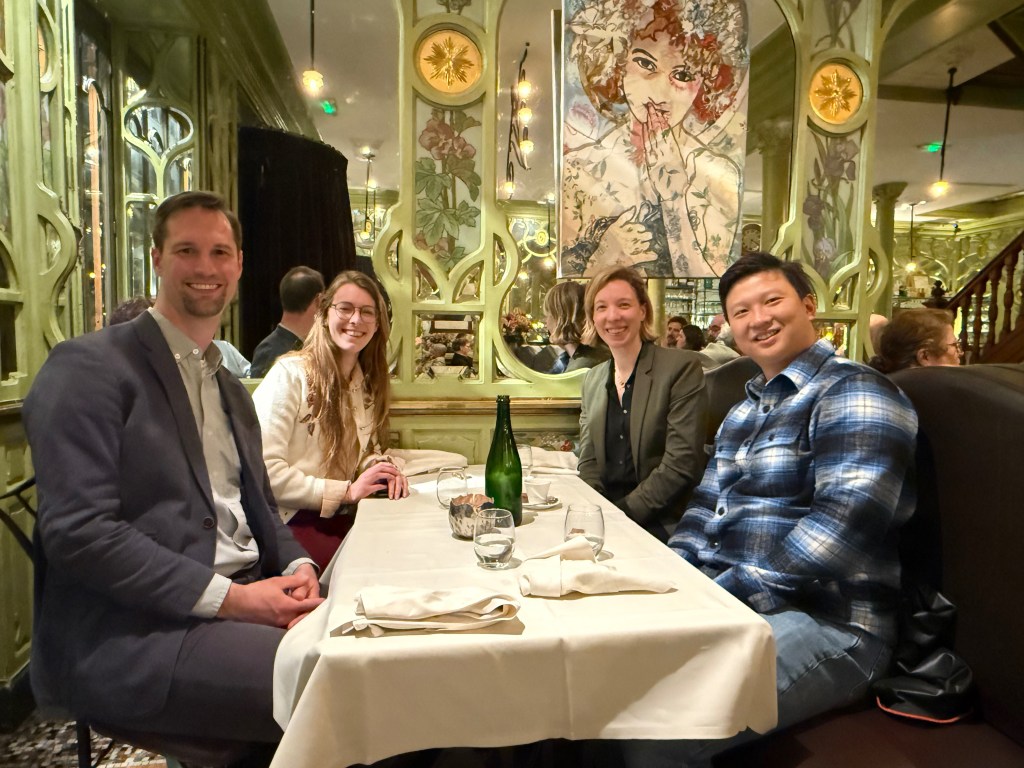
(L-R) Ph.D. student Pepito Thelly, former BiSSL MS student Amira Bushagour (current Ph.D. student at Aarhus University), and Dr. Astrid Layton