March 20, 2026
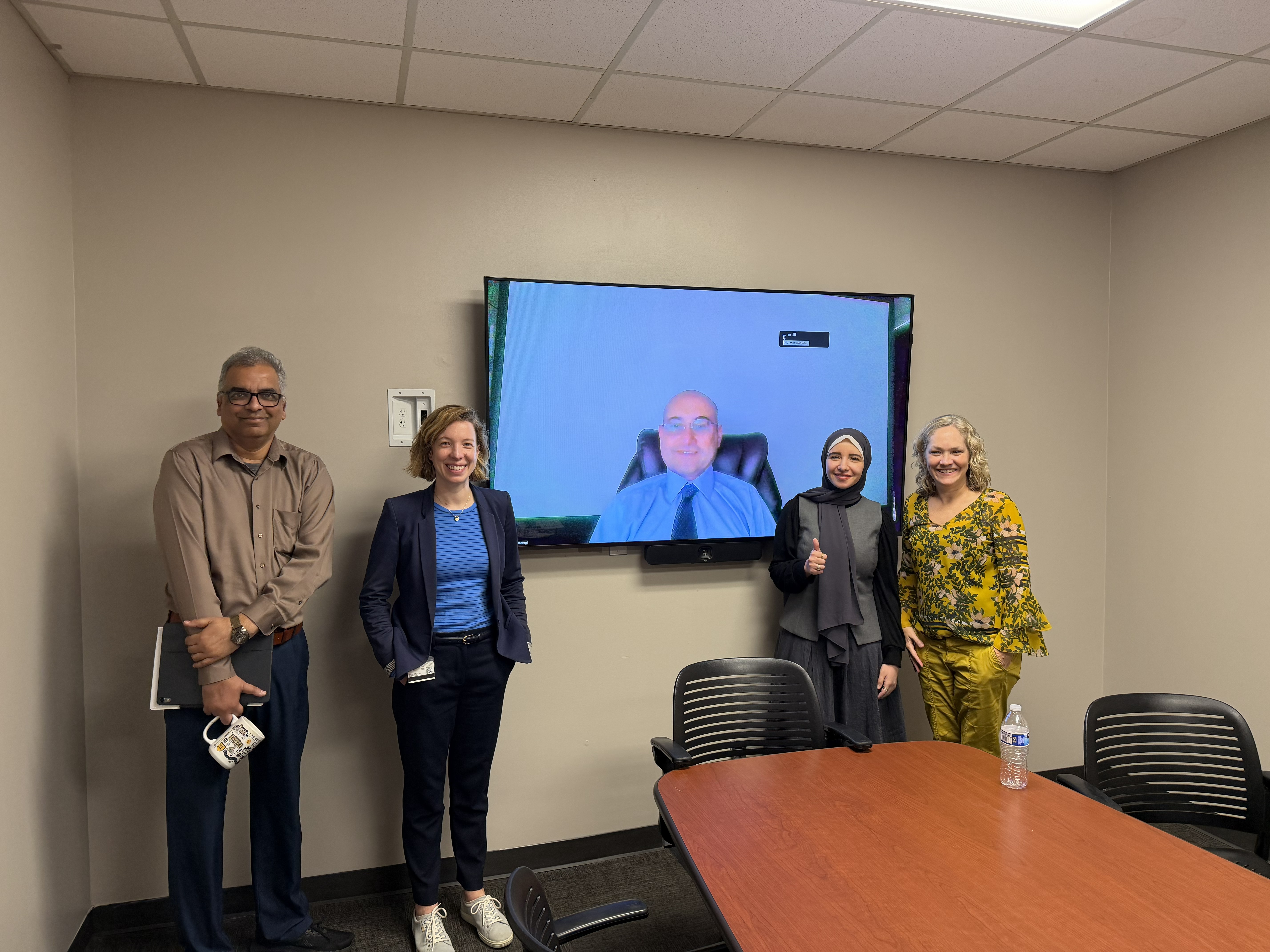
BiSSL Ph.D. students Hadear Hassan and Pepito Thelly represented the lab for our department’s MEEN Industry Day out at the A&M Rellis Campus. Companies attending included Airbus, Siemens, Halliburton, Baker Hughes, Oxy, NOV, and Nova.
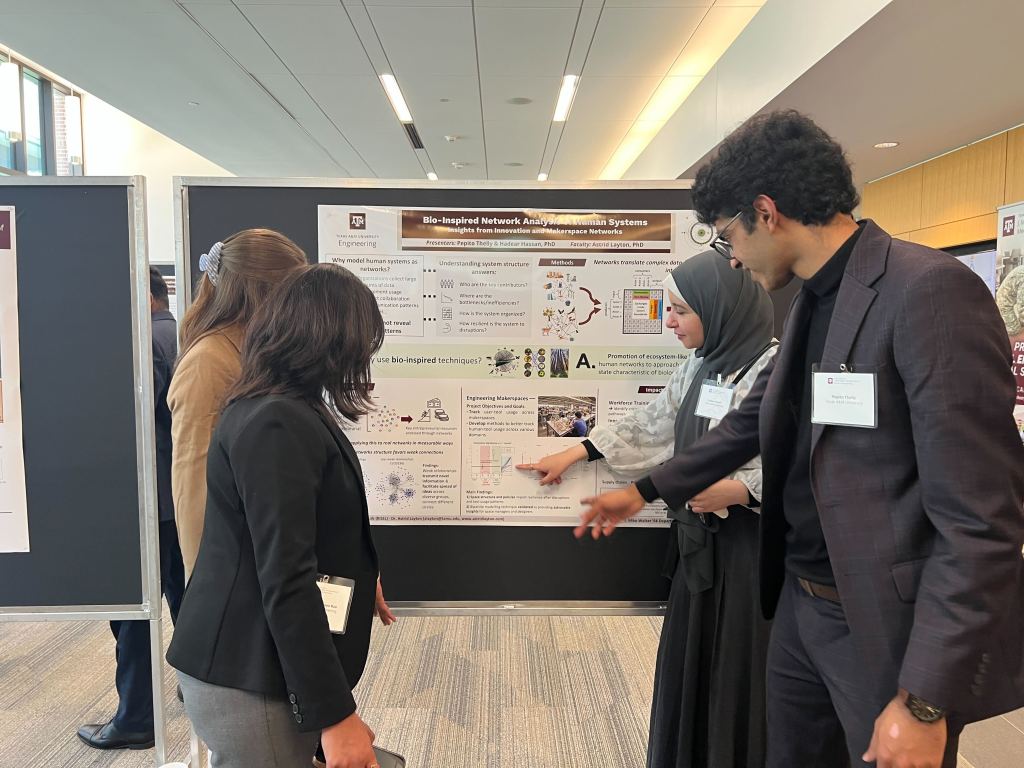
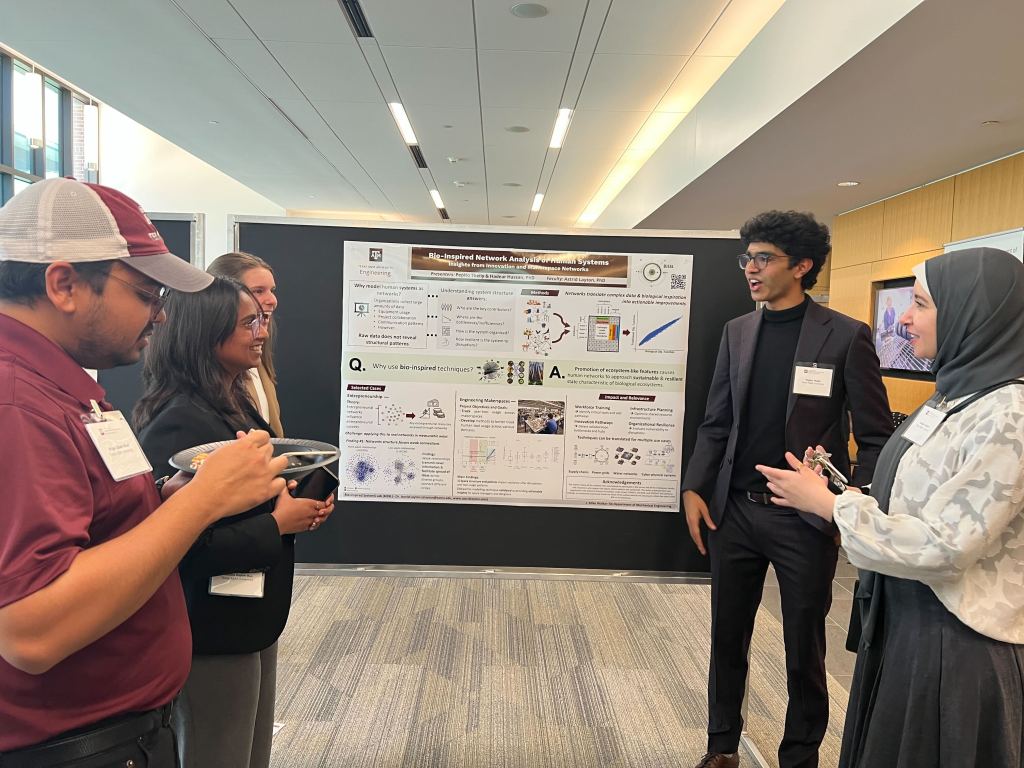
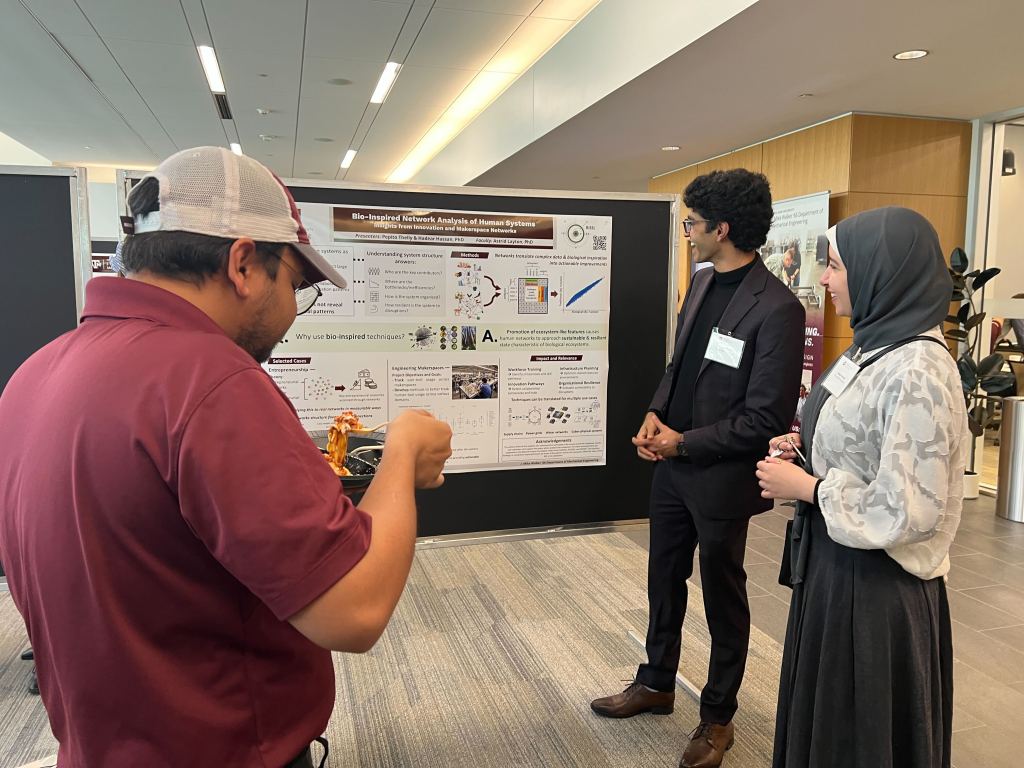
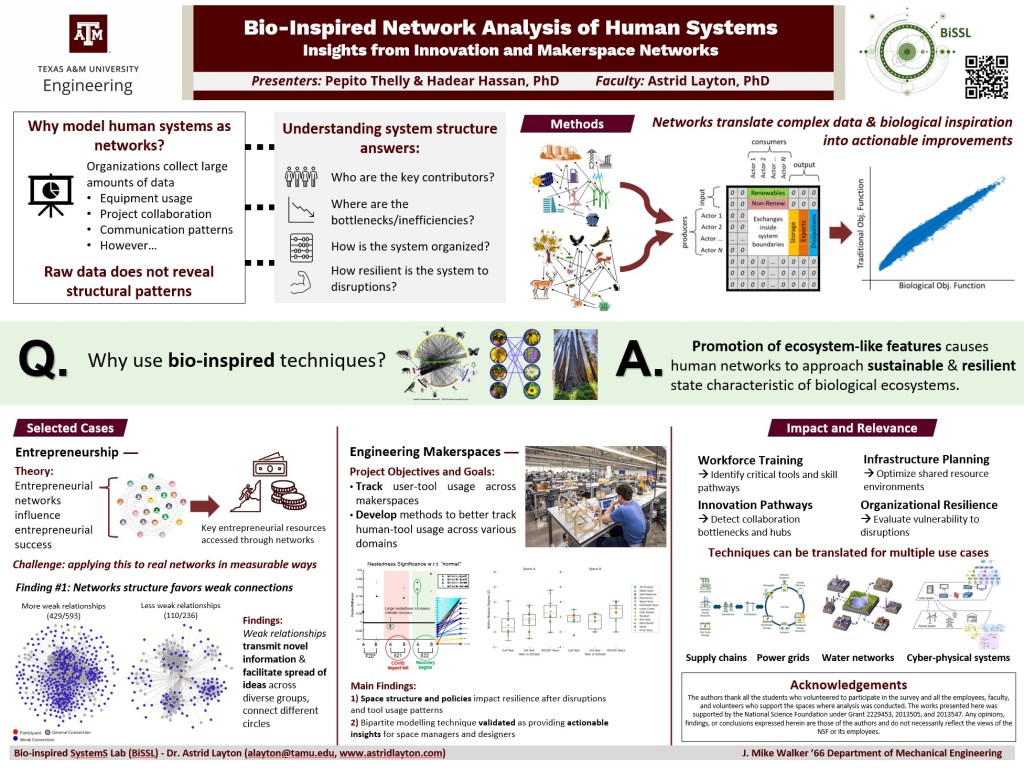
BiSSL Ph.D. students Hadear Hassan and Pepito Thelly represented the lab for our department’s MEEN Industry Day out at the A&M Rellis Campus. Companies attending included Airbus, Siemens, Halliburton, Baker Hughes, Oxy, NOV, and Nova.
Ph.D. student Hadear Hassan joined our group in Fall 2021 after graduating with a BS in mechanical engineering from Texas A&M University. As of Tuesday this week she has successfully defended her Ph.D. thesis! Her thesis is titled “Quantitative System Analysis of Efficiency and Resilience in Complex Systems: Manufacturing and Innovation Networks” and uses bio-inspiration and systems modeling and analysis approaches to advance the fields of smart and sustainable manufacturing as well as entrepreneurial success.
Hadear has been advised by myself and Dr. Cynthia Hipwell since focusing her thesis more on innovation networks thanks to an opportunity to work with NSF’s ICorps program. In addition to her research pursuits, Hadear is also deeply invested in engineering education. Hadear was awarded the J. George H. Thompson Fellowship in 2022 and the 2023 Association of Former Students Distinguished Graduate Student Award for Excellence in Teaching, and is also an Associate Fellow in the Center for the Integration of Research, Teaching, and Learning (CIRTL) Academy for Future Faculty (AFF). She has also won both of our department’s Walker and Cain Impact Awards in 2023 and 2024, respectively. In 2025 she was awarded a coveted spot to attend the Global Young Scientists Summit in Singapore and the Brenda & Jerry Gray ’62 departmental fellowship.
Her thesis seeks to design systems that are both sustainable and resilient, whether those are manufacturing or innovation systems. The methodologies explored include Bio-Inspired Approaches, Multi-Criteria Decision Analysis, Discrete Event Simulation, and Social Network Analysis. These approaches benchmark existing systems and develop a comprehensive framework that facilitates their effective design and quantification. The framework is applied and evaluated through the case studies of manufacturing systems and innovation networks. The tools and benchmarks generated not only provide immediate sustainability benefits but also enable ongoing tracking and measurement of long-term impacts, aiding policy and decision-makers in achieving objectives while ensuring survival.
Ph.D. student Emily Payne joined the BiSSL group in Spring 2022 while she was still an undergraduate Architectural Engineering student. On January 30th she successfully defended her Mechanical Engineering PhD. Her Ph.D. thesis work is titled “Learning from Biological Ecosystems to Design and Analyze Resilience in Complex Multi-flow Systems” and has produced 5 journal papers and 5 conference papers. She’ll be starting at Johns Hopkins University’s Applied Physics Laboratory (APL) this summer after her graduation.
She is a member of the Society of Women Engineers and our Mechanical Engineering Female Graduate Student Association (MEFEGs) and actively supports engaging with the next generation of female engineers. She has collected a host of awards while a graduate student in BiSSL, including a Energy Institute Chevron Energy Graduate Fellow in 2025 and a Boeing Fellow in 2024, the Susan M. Arseven ’75 “Make A difference” memorial award from WISE in 2025, the 2023 J. Mike Walker ’66 Impact Award, and the Women in Engineering Chevron Award in 2023. Emily has worked on developing a more sustainable balance between building energy usage and resilient technology with research looking at improving the sustainable ranking of buildings. Her primary thesis work focuses on resilience in cyber-physical power systems, seeking to improve resilience through modeling the cyber-physical interface and our ability to understand risk propagation through the multi-layer complex network.
Her dissertation presents a holistic approach for the analysis of complex multi-flow systems taking inspiration from nature’s resilient ecosystems. Graph-based methodologies containing analogies from ecological modeling, including plant-pollinator networks and predator-prey networks, provide an innovative approach for balancing resilience, sustainability, and robustness. The proposed approaches assist in identifying critical interdependencies between components, analyzing patterns of adversarial system impact, and provide design suggestions for the future construction of cyber-physical power systems and sustainable buildings.
You can read a focus piece on Emily’s unique path to a Ph.D. in mechanical engineering here.
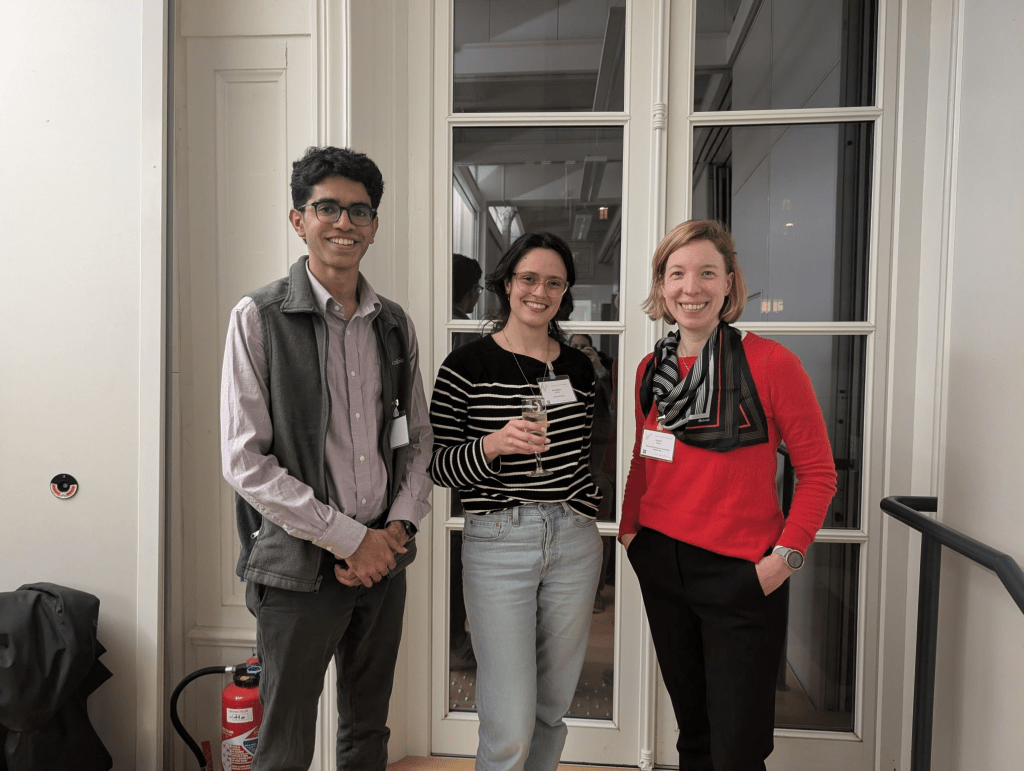
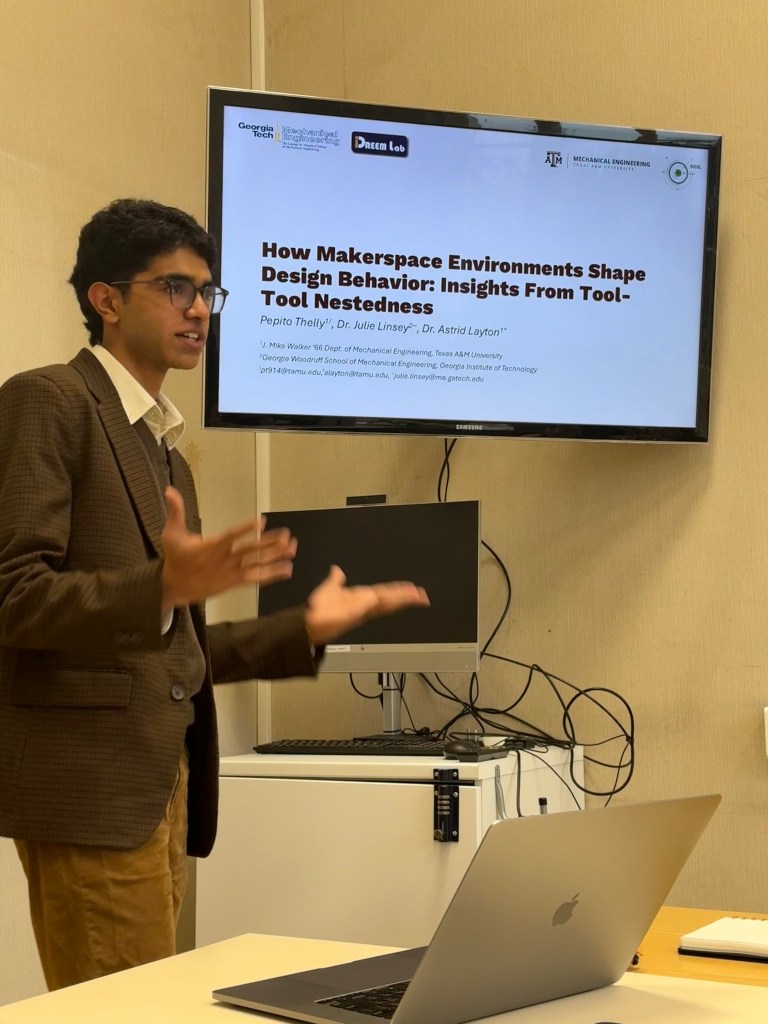
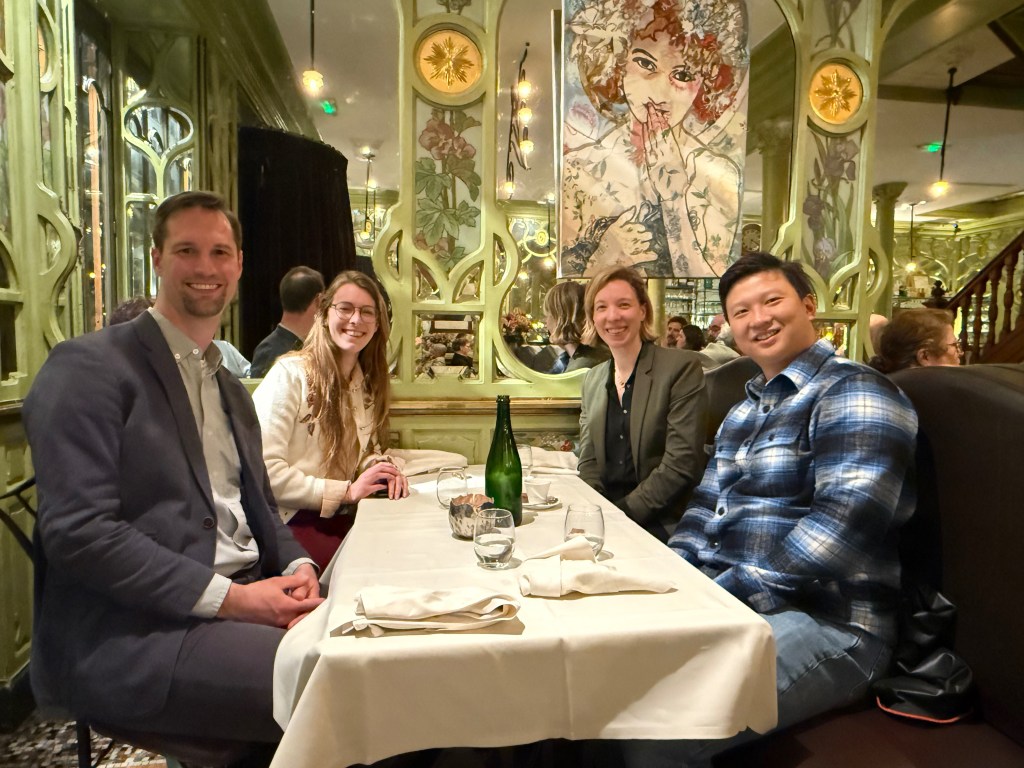
The BiSSL group was at the 19th SIG Design Theory Workshop and the 10th SIG Tutorial on Design Theory at the Paris School of Mines. The workshop covered contributions in the areas of the Design Theory SIG:
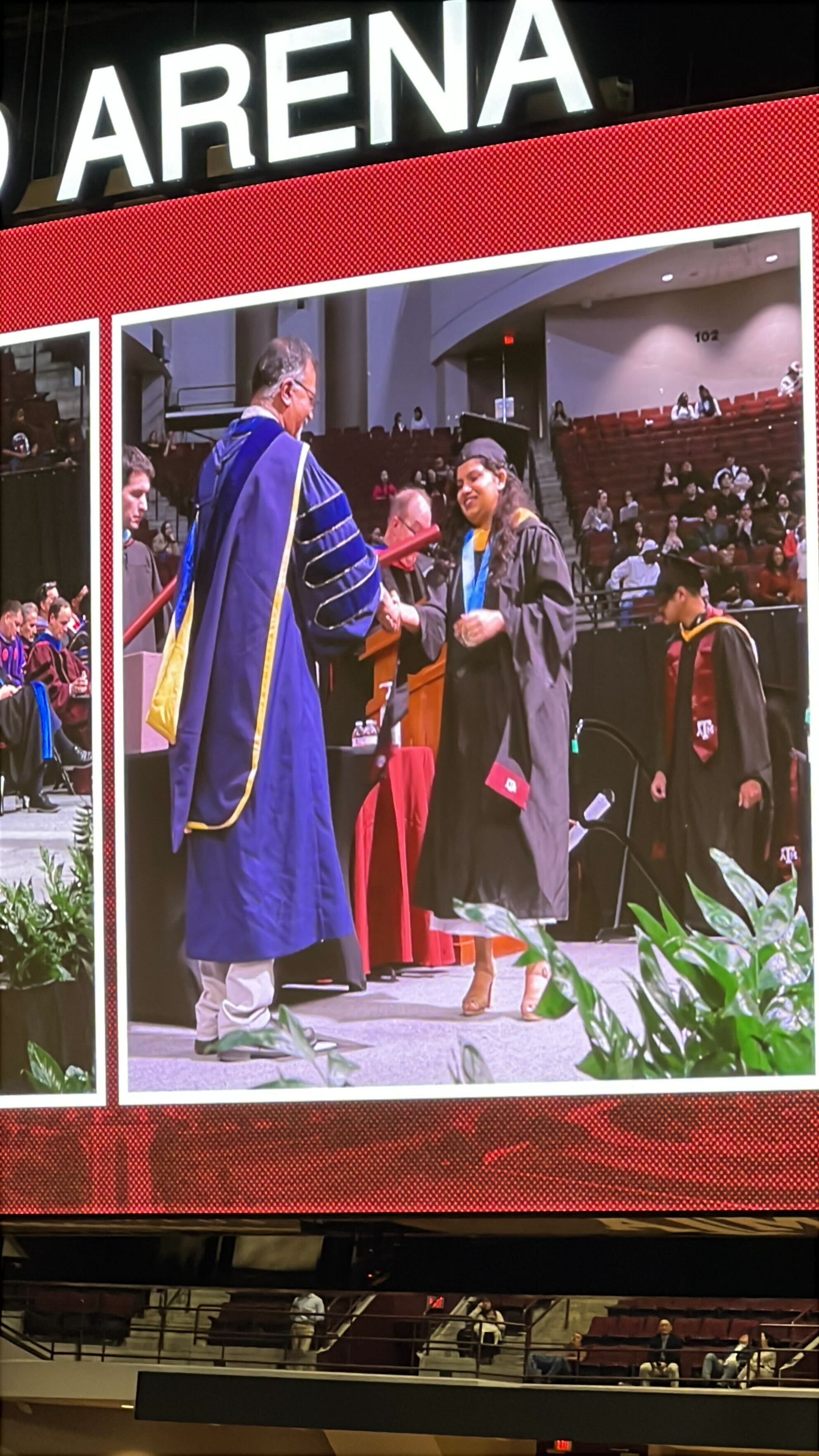
A huge congratulations to BiSSL graduate student Namrata Thakkar, who graduated with her MS degree in mechanical engineering this fall! Namrata started in the BiSSL group Summer 2023, after completing her Bachelor of Technology in Mechanical Engineering from Pandit Deendayal Energy University. Her thesis was on measuring the resilience of water network designs using bio-inspired approaches.
November 14, 2026
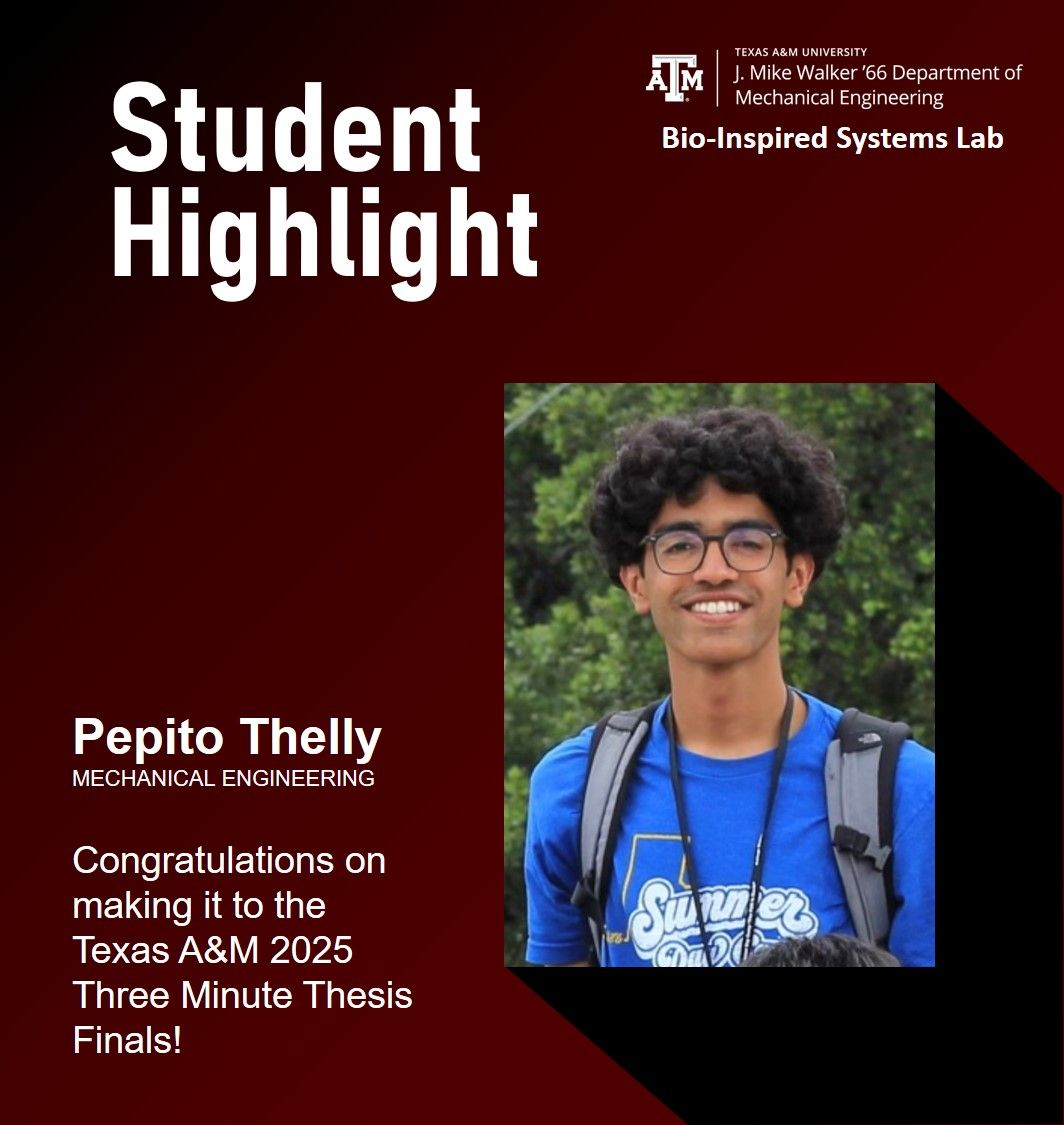
Congratulations to BiSSL Ph.D. student Pepito Thelly, one of 7 Ph.D. finalists in the Texas A&M 2025 3 Minute Thesis (3MT) Final! He was selected out of over 85 participants.
Pepito, a student in Dr. Astrid Layton’s Bio-inspired Systems Lab who’s bio-inspired design research has collaborated with Dr. Julie Linsey and her iDREEM lab at Georgia Tech, will present “Bio-Inspired Makerspace Networks.” Good luck Pepito!
Learn more: https://loom.ly/lKaoE-I
You can watch his presentation here.
BiSSL Ph.D. candidate Hadear Hassan led the publication of an IDETC-CIE conference paper titled “Potential for Digital Technologies & Additive Manufacturing to Support Lean Manufacturing + Circular Economy Synergies” in collaboration with Aarhus University Ph.D. student (and former BiSSL MS student) Amira Bushagour and Dr. Abheek Chatterjee, who is a post doc at NIST and is a former BiSSL PhD student. The paper was presented in the SEIKM track on “Advanced Manufacturing and Supply Chain Systems Design and Analysis” co-chaired by Dr. Chatterjee.


ABSTRACT: Lean manufacturing and circular economy are two production paradigms aimed at addressing the challenges faced by traditional production models, such as resource constraints, environmental impacts, and waste generation. Lean manufacturing focuses on improving production efficiency by eliminating non-value-adding activities. Circular economy aims to reduce waste and resource consumption and support production demands by retaining valuable materials in the economy as long as possible. Recent research has indicated that the convergence of these paradigms is a promising strategy to support sustainable production and consumption. However, challenges remain in fully integrating these approaches, as lean manufacturing emphasizes efficiency without directly considering environmental concerns, a key goal of the circular economy. This research investigates if additive manufacturing and digital technologies (such as digital twins and product passports) offer potential approaches to support the synergies between lean manufacturing and circular economy initiatives. To this end, this article surveys how additive manufacturing and digital technologies support the core aspects of circular economy and lean manufacturing. Thereafter, the synergies between the core aspects of the two paradigms are analyzed with a focus on the application of digital technologies and additive manufacturing in supporting these synergies. Specifically, it is found that the integration of digital technologies with additive manufacturing enables real-time monitoring and predictive analytics. This integrated approach addresses the scalability and flexibility challenges of additive manufacturing implemented alone while enhancing waste reduction, resource optimization, and material life cycle transparency in lean manufacturing and circular economy applications. These findings provide stakeholders with valuable insights regarding simultaneously implementing lean manufacturing and circular economy principles – supporting financial benefits, reduced environmental impacts, and sustainable production growth. -Hassan, Chatterjee, Bushagour, Layton. (2025) “Potential for Digital Technologies and Additive Manufacturing to Support Lean Manufacturing and Circular Economy Synergies.” ASME 2025 International Design Engineering Technical Conferences and Computers & Information in Engineering Conference (IDETC-CIE). Anaheim, CA, USA.

Ph.D. student Hadear Hassan presented research on a dynamic model that uses bio-inspired design principles to evaluate manufacturing systems for sustainability and resilience, especially under disturbances, while linking system qualities to performance metrics like capital cost and demand met at the 2025 Manufacturing Science and Engineering Conference (MSEC), hosted by Clemson University in Greenville, SC. The paper was a collaboration with Amira Bushagour, Dr. Abheek Chatterjee, and Dr. Astrid Layton.
The paper presented is titled “Quantitatively Supporting System-Level Sustainability and Resilience in Manufacturing.”

Abstract: “Manufacturing is a key driver of both economic health and environmental burdens, reporting over 12.7 million workers in the U.S. and emitting 30% of greenhouse emissions. Manufacturing systems thus must be both sustainable and resilient to mitigate environmental degradation and maintain job security and operations in case of disturbances. Doing both in manufacturing, however, is non-trivial and quantitatively ambiguous. This work investigates a bio-inspired approach to quantitatively design for both. Twenty manufacturing floor plan architectures are evaluated using a bio-inspired system design approach and traditional manufacturing metrics. Ecological Network Analysis has been shown in prior work to offer system design guidance inspired by nature’s resilient and sustainable food webs. Traditional metrics such as capital cost, throughput, and capacity utilization correlate these ecological characteristics with manufacturing-specific goals for the first time. The architectures, in both their traditional and bio-inspired architectures, are tested under disturbance scenarios to determine if the bio-inspired designs offer superior performance from a manufacturing perspective. The evaluation highlights interdependencies between metrics that capture circular economy supporting efficient pathways and resilience supporting manufacturing convertibility. The results also form the beginnings of an assessment framework for the use of low data metrics in the early-stages of manufacturing systems design.” Hassan, H., A. Bushagour, A. Chatterjee, A. Layton. (2025) “Quantitatively Supporting System-Level Sustainability and Resilience in Manufacturing.” ASME Manufacturing Science and Engineering Conference (MSEC). Greenville, SC, USA.

Dr. Astrid Layton hosted a free workshop at the 2025 ASEE Conference & Exposition in collaboration with Dr. Julie Linsey from Georgia Tech. The NSF sponsored workshop was titled “Is My Makerspace Meeting Students’ Needs? How to gain quantitative information about your space using a student-tool network model” and focused on the use of the BiSSL developed GUI for makerspace network analysis.

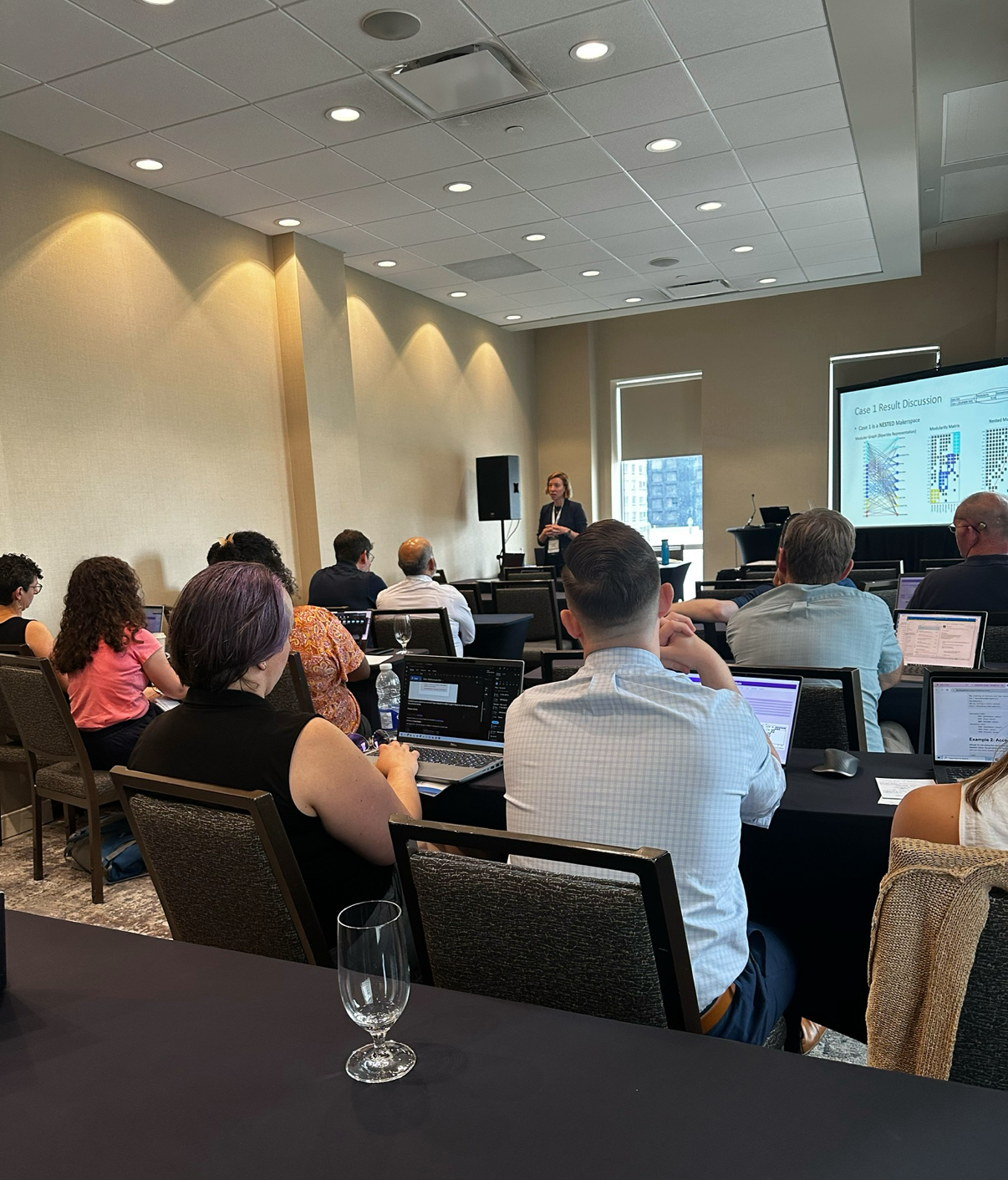
Dr. Layton also presented a paper “IUSE: Analyzing Nestedness Variability for Bipartite Makerspace Tool-Tool Projection Models” on this makerspace network analysis work, with lead author BiSSL PhD student Pepito Thelly.

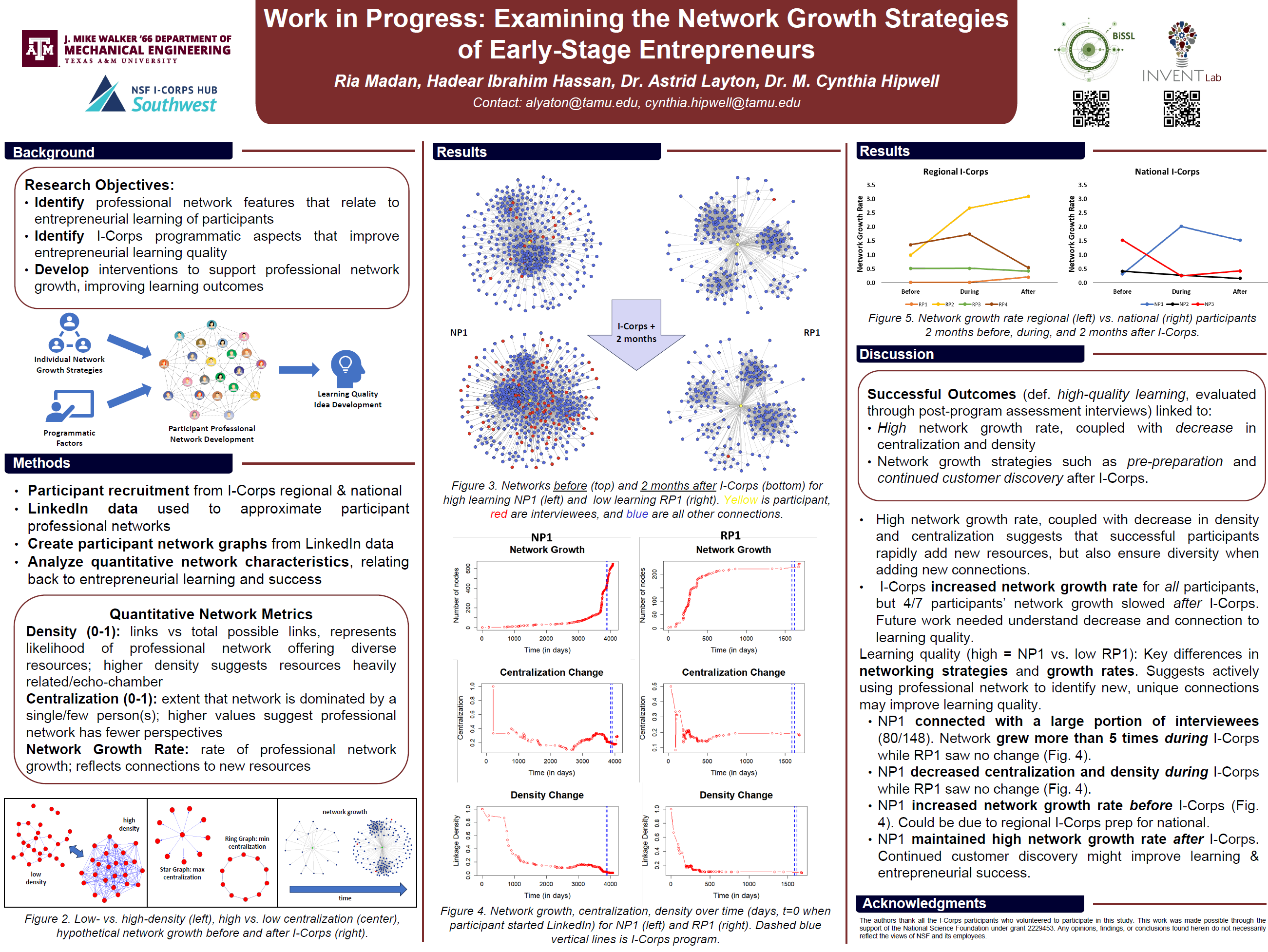
Dr. Layton presented another paper “Work in Progress: Examining the Network Growth Strategies of Early-Stage Entrepreneurs” on research done in collaboration with Dr. M. Cynthia Hipwell at Texas A&M and the NSF I-Corps program, with first authors BiSSL grad student Ria Madan and PhD student Hadear Hassan.

A paper coauthored by Ph.D. student Hadear Hassan and Dr. Layton titled “Improving Cross-Disciplinary Knowledge Transfer for Bio-Inspired Engineering Design” has been published in the Integrative And Comparative Biology (ICB) journal. The work covers a 4 year study of the bio-inspired engineering design inspiration process, looking at how the technical level of biological information impacts the success of the resultant engineering designs. The work finds that a staggered approach may be the most beneficial, starting with basic references like those from National Geographic or zoos and following up the initial design generation round with highly technical and detailed journal articles to provide more functional details.
“Bio-inspired design has become a significant driver of innovation, enabling the development of effective solutions to some of the world’s toughest challenges. Bio-inspired design leverages evolutionary advancements to create products and processes that are often more efficient and sustainable. However, applying biological insights to engineering can be challenging due to the distinct ways the two disciplines define and interpret core concepts. This paper explores the cognitive and technical skills required to effectively translate biological inspiration into engineering solutions. Our hypothesis focuses on bridging the “language and representation gap” between biology and engineering. The goal of this paper is to identify key aspects of biological representation that enable its successful adaptation into engineering design, fostering the development of more impactful and efficient bio-inspired solutions. The analysis of student feedback and ideation outputs revealed that engineers preferred biology texts with a medium level of technical complexity, balancing ease of understanding with image quantity. Basic references were found to support diverse idea generation, while more technical texts proved useful and necessary for understanding in-depth biological insights and applying them to engineering problems. Future research could explore the impact of information presentation order, the role of biological experts in deepening insights, and the use of machine learning to refine how biological information is selected and categorized to enhance the bio-inspired design process.” – Hassan and Layton. (2025) “Improving Cross-Disciplinary Knowledge Transfer for Bio-Inspired Engineering Design.” Integrative & Comparative Biology. DOI: 10.1093/icb/icaf119

 BiSSL: Bio-inspired Systems Lab