PhD Student Hadear Hassan Visits Portland, Oregon to Attend ASEE 2024

BiSSL Ph.D. student Hadear Hassan presented a collaborative paper in the Design in Engineering Education Division (DEED) for Student-Centered Approaches in Design Education titled “Engineering the Next Generation of Innovators: Analysis of Studentsโ€™ Innovation Habits.” The paper was coauthored by BiSSL alumn Luis Rodriguez and collaborator Dr. Cynthia Hipwell.

In today’s rapidly evolving landscape, innovation is the cornerstone of high value creation. This fast pace necessitates a fundamental reevaluation of educational paradigms. The imperative to emphasize lifelong learning, inquisitiveness, innovation, and an unwavering commitment to continuous self-improvement is abundantly clear. At the heart of this educational recalibration lies two questions: To what extent can personal innovativeness be honed and amplified through curricular innovations? and What are the requisite strategies for nurturing students’ practical skills, thereby enabling a perpetual journey of discovery? This work is focused on the design of a course called “Innovation Mind and Skill Sets for Design and Research,” tailored specifically for students in the STEM disciplines. The class equips students with a comprehensive innovation-focused skill set, empowering them to synthesize their specialized knowledge within broader societal contexts and, in turn, navigate the complex terrain of breakthrough innovation. This paper delves into the courseโ€™s framework, which draws inspiration from the vast reservoir of innovation literature and two decades of the instructorโ€™s industry experience applying and improving innovation business processes with her teams in a fast-paced, high-tech industry. The core hypothesis of this paper is that innovation is fundamentally a learning process, that personal innovativeness can be cultivated and elevated through the teaching of established principles derived from the realm of learning science. These principles encompass the elevation of metacognition, the deliberate integration of intentionality into the learning process, and the embedding of reflective practices into the students’ educational journeys. In addition, the curriculum integrates pedagogical principles related to systems thinking and Transformative Learning Theory for adults. The coursework is designed to impart practical techniques that serve as scaffolds for students’ innovation processes and enhances their metacognition. The journey through this educational framework leads to an ascent through the tiers of Bloom’s Taxonomy, guiding students to cultivate enduring habits that are essential for the sustenance of the innovation process. These practical skills are honed through active participation in a team project, revolving around the innovation process, with guidance and feedback from innovation practitioners. The learning experience is further enriched through a deliberate emphasis on reflection, integrated into classroom presentations. These aspects of student progress and improvement are assessed against traditional design curricula using the Innovator Mindsetยฎ Assessment. The results are analyzed to underscore the impact of curricular innovation in fostering and amplifying personal innovativeness.

Hadear Ibrahim Hassan, Luis Angel Rodriguez, Astrid Layton, David Christopher Seets, M. Cynthia Hipwell (2024) “Engineering the Next Generation of Innovators: Analysis of Studentsโ€™ Innovation Habits.” 2024 ASEE Annual Conference & Exposition. Portland, Oregon.

BiSSL collaborator Dr. Julie Linsey was also in attendance and presented a poster in the NSF Grantees Poster Session on a paper coauthored by BiSSL MS student Pepito Thelly. โ€œBoard 358: Quantitative Network Analysis for Benchmarking and Improving Makerspaces.โ€

Makerspaces on university campuses have seen tremendous growth and investments in recent years. Growing empirical data demonstrates the significant learning benefits to engineering students. Makerspaces are a new tool in the engineering educatorsโ€™ toolbox, and as such much more needs to be done to ensure these spaces effectively grow and meet their full potential. This grant has been developing a novel network analysis technique for makerspaces, to enable the underlying makerspace network structure to be understood in terms of its connection to the successful and impactful functioning of makerspaces. The work has uncovered some basic structural building blocks of makerspace networks, known as modules, and the tools and students that make up those modules. This network-level understanding of the space enables actions such as effectively removing previously undiscovered hurdles for students who are underutilizing spaces, guiding the design of an effective makerspace from the ground up at locations with fewer resources, and creating effective events or course components that introduce students to the space in such a way that increases their chances of returning. A deep understanding of the network structure that creates a successful makerspace also provides guidance to educators on things like the impact of adding particular learning opportunities through workshop or curriculum integration, and insight into the network-level impacts of the addition of new tools or staff. The work done over the past 3 years has tried to address the following key objectives: (1) Understand the role that network analysis can play in both understanding the connection between the structure and successful functioning of a makerspace. (2) Create design guidelines for both new makerspaces and the growth of existing makerspaces, derived from modularity analyses of two successful makerspace case studies. (3) Identify potential roadblocks that prevent students, especially underrepresented minority students, from feeling comfortable in and using makerspaces. Benefits of network analysis techniques include the ability to break down a seemingly complex and chaotic makerspace into actors interacting with tools. This data was obtained through short end-of-semester student surveys. Early work found that these end-of-semester surveys provide sufficient data for the proposed analyses and are comparable to survey information provided by students as they enter and exit the space.

Claire Kaat, Pepito Thelly, Julie Linsey, Astrid Layton (2024) “Quantitative Network Analysis for Benchmarking and Improving Makerspaces.โ€ 2024 ASEE Annual Conference & Exposition. Portland, Oregon.

Successful ASME 2024 MSEC Manufacturing Science & Engineering Conference

BiSSL Ph.D. student Hadear Hassan presented work at the annual ASME 2024 MSEC Manufacturing Science & Engineering Conference in Knoxville, TN. She presented two papers, both co-authored with BiSSL alum Amira Bushagour (who is now a Ph.D. student at Aarhus University in Denmark). One of the papers has already been selected for publication in the special issue of ASME’s Journal of Manufacturing Science and Engineering (JMSE).

Abstract: The circular economy (CE) is a resource system in which byproducts and traditional end-of-life resource flows are fed back into the system to reduce virgin resource use and waste production. Emerging technologies offer an exciting opportunity to support circular economy efforts, especially in the early design phase when opportunities for incorporating these technologies are relatively easy. Traditionally, however, the early design phase has access to very little data about resource flows which makes the introduction of new technologies difficult to do, especially with respect to market-related design decisions. In the later design stages, this data is easier to obtain but is met with increased inflexibility and costs that make these types of changes less common. This paper proposes the use of cyclicity, also known as spectral radius, and NS* minimal-data input metrics that can direct designers to options with the greatest theoretical impact on routing commonly wasted resources back into value circulation. Cyclicity is a metric commonly used in ecology to assess the existence and complexity of cycles, or material/energy pathways that can start and end at the same node, occurring in a system. The metric uses a topological adjacency matrix of resource flows between potential circular economy actors, modeled as a directional graph, and is calculated as the largest absolute eigenvalue of an adjacency matrix and can be a value of zero (no cycles), one (basic cycles), and any value larger than one (increasing presence and complexity of cycles). This study also evaluates actors making up the network as to whether they are part of a strong cycle, a weak component of a cycle, or are disconnected from a cycle, quantified with NS. In a strong cycle, all actors feed into the cycle and the cycle feeds back into the actors. Actors that are weakly connected to a cycle do not contribute to a cyclic pathway. Disconnected actors are not connected to any actor participating in cycling. This paper conducts two case studies on these design tools. The first, a survey of 51 eco-industrial parks (EIPs) and 38 ecological food webs to compare the presence and complexity of cycles in industrial resource systems to ecological resource systems. The latter, food webs, are very effective at retaining value inside the system boundaries. The former, EIPs, were built in support of circular economy principles to use waste streams from one industry as resource streams for others. The analysis shows that 46 out of 51 EIPs had cyclicity values of one or greater and an average of 54% of actors in an EIP are strong. The food webs all have a cyclicity greater than one and an average of 79% of actors in a food web are strong. These results can help decision makers consider CE-supporting pathways earlier in the design process, increasing the likelihood that emerging technologies are incorporated to maximize their CE impact. The second case study explores an emerging technology, Brine Miners, and how cyclicity and NS can be used to guide design decisions to impact the ability of this technology to aid in the creation of a circular economy. The exploration found that focusing on the creation of energy has the potential to add new actors to resource cycling and that diversifying the uses of byproducts creates more complex cycling within a hypothetical economy.

(Paper Number: MSEC2024-125107) “Cyclicity as an Early Circular Economy Design Tool for Emerging Technologies” by Amira Bushagour, Hadear Hassan, and Astrid Layton

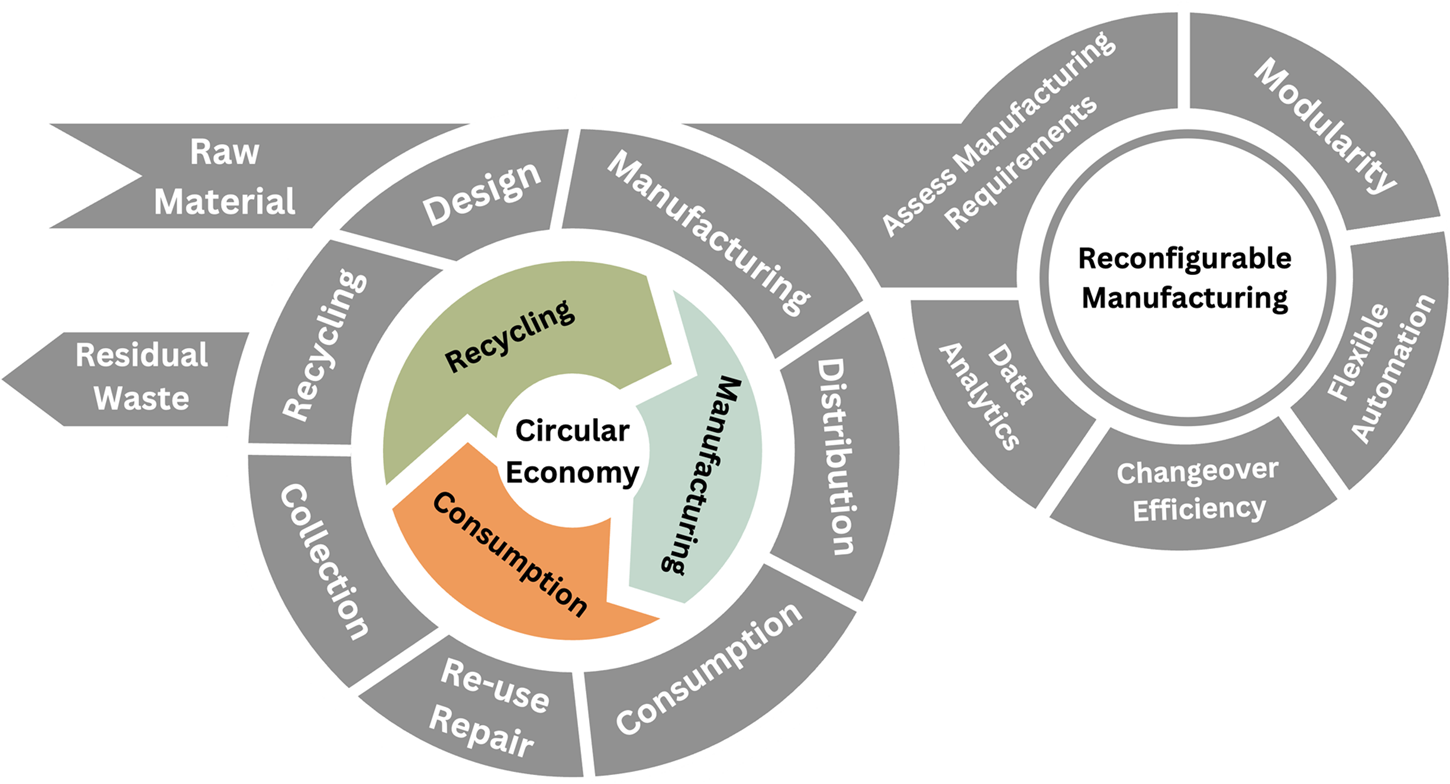
Abstract: Reconfigurability in manufacturing signifies a system’s capacity to promptly adapt to evolving needs. This adaptability is critical for markets to maintain operations during unexpected disruptions, including weather anomalies, cyber-attacks, and physical obstructions. Concurrently, the concept of a circular economy is gaining popularity in manufacturing to mitigate waste and optimize resource utilization. Circular economy principles aim to reduce environmental impacts while maximizing economic benefits by emphasizing the reuse of goods and resource byproducts. The nexus between reconfigurability and the circular economy stems from their shared pursuit of sustainability and resilience. Interestingly, biological ecosystems also exhibit these traits, showcasing exceptional adaptability to disturbances alongside the ability to effectively utilize available resources during normal operations. This study explores various manufacturing system configurations to assess both their adaptability and connection to circular economy principles. 44 configurations are categorized based on layout (e.g., job shop, flow line, cellular) and analyzed using convertibility, cyclicity, and Degree of System Order metrics. A significant positive correlation (R2 =0.655) is found between high convertibility and ecologically similar levels of structural cycling, suggesting that effective resource utilization supports adaptability in manufacturing systems. Furthermore, this paper proposes the existence of a possible ” window of vitality” for cyclicity, as it demonstrates a significant correlation (R2 =0.855) between the Degree of System Order and cyclicity. Identifying systems that strike a balance between redundancy, efficiency, convertibility, and cyclicity can aid manufacturing system designers and decision-makers in making choices that address increasing requirements for both sustainability and resilience.

(DOI: 10.1115/1.4065744) “Resilient Circularity in Manufacturing: Synergies between Circular Economy and Reconfigurable Manufacturing” by Hadear Hassan, Amira Bushagour, and Astrid Layton, Journal of Manufacturing Science and Engineering

BiSSL Ph.D. Student Pepito Thelly 3rd Place at SACNAS

April 12, 2024

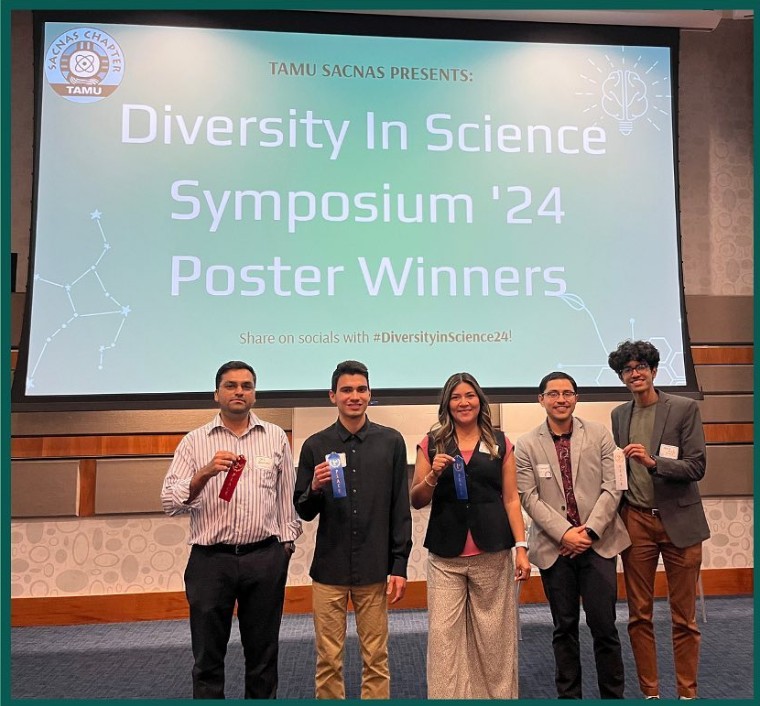
Pepito Thelly won the 3rd overall best poster at A&M’s 2024 Society for the Advancement of Chicanos/Hispanics and Native Americans in Science (SACNAS) Diversity in Science Symposium! They saw over 100 attendees total and 50 poster presentations and had Dr. Herman as the keynote speaker.

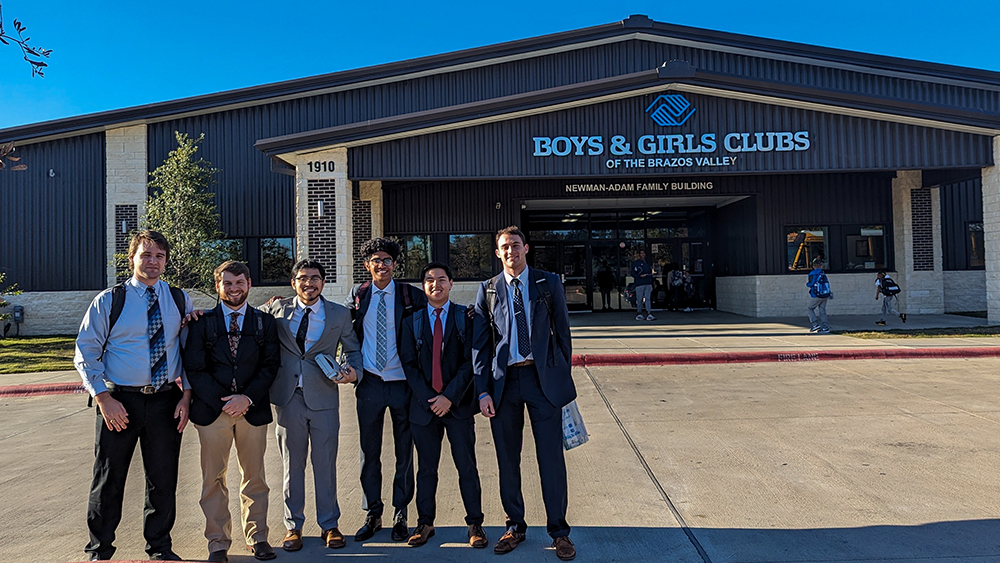
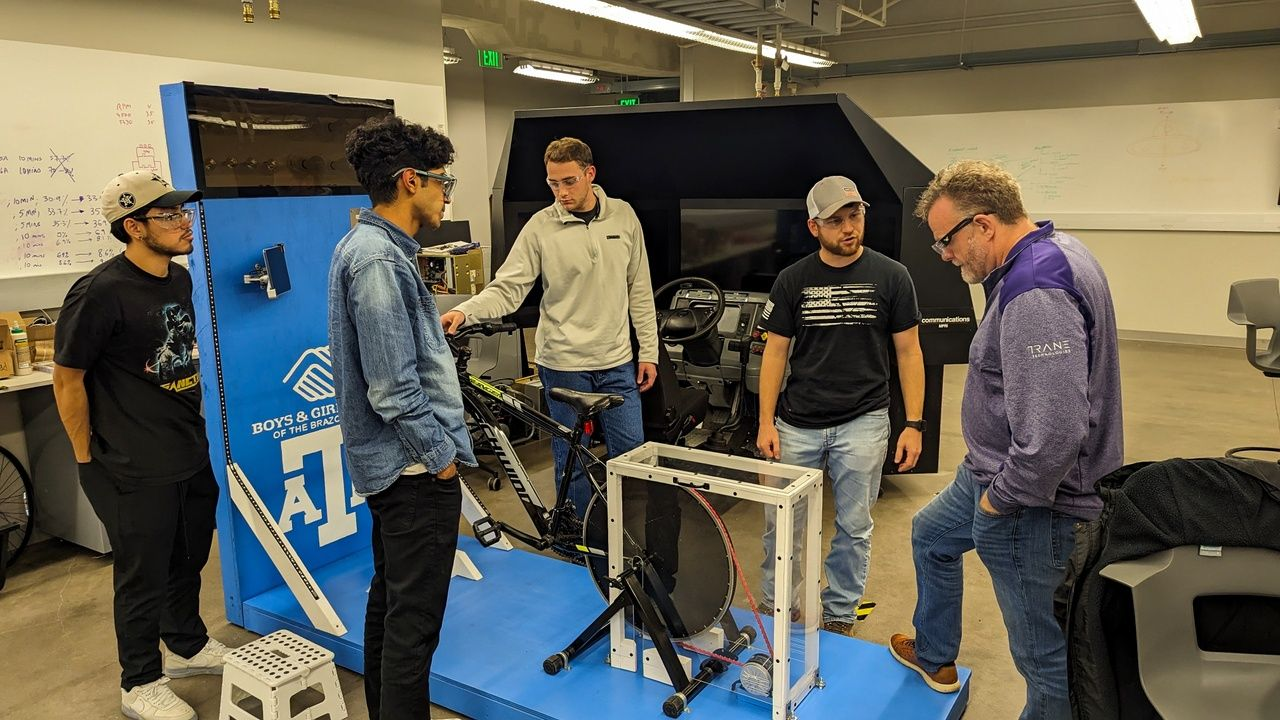
Pepito and his team designed and built “The ElectroCycle” for the Boys and Girls Club of Brazos Valley– an interactive display designed to spark curiosity in kids aged 8-12 about the fascinating world of energy conversion! The exhibit demonstrates the conversion process between human and electrical energy. Pedal away on the bike connected to a generator and watch as your energy powers lights and charges batteries!

The team included Caleb Johnson, Riley Pruett, Luis Rodriguez, Pepito Thelly, Anthony Le, and Clayton Maywald. | Image:ย Courtesy of BGCBV Kinematics Team.

New Systems Engineering Journal Publication

A new open access publication is out in the Wiley and INCOSE journal Systems Engineering from BiSSL in collaboration with Dr. Julie Linsey at Georgia Institute of Technology! The article, co-authored by Samuel Blair, Garrett Hairston, Claire Kaat, and Henry Banks and titled “Bio-inspired human network diagnostics: Ecological modularity and nestedness as quantitative indicators of human engineered network function,” investigates the use of modularity and nestedness, 2 analyses that are traditionally used in ecology to study interaction patterns in mutualistic networks (ex. plant-pollinator networks), for human-engineered interaction networks. The paper uses two university engineering makerspaces, modeled as student-tool interaction networks, as case studies to highlight the ability of the approaches to quantitatively monitor the interaction patterns over time and even capture network disturbances (in the case study COVID-19 occurred over the course of data collection).

Abstract:

Analyzing interactions between actors from a systems perspective yields valuable information about the overall system’s form and function. When this is coupled with ecological modeling and analysis techniques, biological inspiration can also be applied to these systems. The diagnostic value of three metrics frequently used to study mutualistic biological ecosystems (nestedness, modularity, and connectance) is shown here using academic engineering makerspaces. Engineering students get hands-on usage experience with tools for personal, class, and competition-based projects in these spaces. COVID-19 provides a unique study of university makerspaces, enabling the analysis of makerspace health through the known disturbance and resultant regulatory changes (implementation and return to normal operations). Nestedness, modularity, and connectance are shown to provide information on space functioning in a way that enables them to serve as heuristic diagnostics tools for system conditions. The makerspaces at two large R1 universities are analyzed across multiple semesters by modeling them as bipartite student-tool interaction networks. The results visualize the predictive ability of these metrics, finding that the makerspaces tended to be structurally nested in any one semester, however when compared to a โ€œnormalโ€ semester the restrictions are reflected via a higher modularity. The makerspace network case studies provide insight into the use and value of quantitative ecosystem structure and function indicators for monitoring similar human-engineered interaction networks that are normally only tracked qualitatively.

Blair S, Hairston G, Banks H, Kaat C, Linsey J, Layton A. Bio-inspired human network diagnostics: Ecological modularity and nestedness as quantitative indicators of human engineered network function. Systems Engineering. 2024; 1-13. https://doi.org/10.1002/sys.21756

Annual Conference on Systems Engineering Research (CSER) 2024

BiSSL Ph.D. student Alexander Duffy will be presenting his research at the annual Conference on Systems Engineering Research (CSER) on March 25-27, 2024 in Tucson, AZ. His paper, titled “Satellite Network Architecture Performance: Setting the Stage for Bio-Inspired Network Design,” covers:

Abstract: Satellite networks, here defined as groups of artificial satellites where the satellites are interconnected by communications links, are increasing in size, number, and criticality. As humanityโ€™s reliance on these networks grows, so too does the need for these networks to be resistant against and quickly recover from disturbances โ€“ that is, they need to be resilient. Prior work has found that human networks such as supply chains, water distribution networks, and power grids can improve their resilience by mimicking biological food webs in their design. This paper begins an investigation into whether satellite networks can also benefit from this bio-inspired system approach. The performance of five hypothetical-realistic satellite network case studies is quantified here using global instantaneous coverage, architectural accuracy, and in-network latency. These performance attributes are then compared to the architectural characteristics of biological food webs using Ecological Network Analysis (ENA) metrics, relating species and their predator-prey interactions in a food web to interactions between satellites in a satellite network. The findings suggest that the bio-inspired route holds promise for improving both the performance and resilience of these critical space networks.

Two New BiSSL Papers Published

Two journal papers related to the use of bio-inspired system design approaches for cyber-physical systems from the BiSSL group have recently been accepted for publication! The 1st stems directly from a current ongoing grant with Sandia National Labs with BiSSL Ph.D. student Emily Payne as co-author and the 2nd is a culmination of multiple collaborations across mechanical and electrical engineering at Texas A&M and is led by former BiSSL Ph.D. student Abheek Chatterjee, now a post-doc at NIST.

Abstract: Cyber-physical systems have behavior that crosses domain boundaries during events such as planned operational changes and malicious disturbances. Traditionally, the cyber and physical systems are monitored separately and use very different toolsets and analysis paradigms. The security and privacy of these cyber-physical systems requires improved understanding of the combined cyber-physical system behavior and methods for holistic analysis. Therefore, we propose leveraging clustering techniques on cyber-physical data from smart grid systems to analyze differences and similarities in behavior during cyber-, physical-, and cyberphysical disturbances. Since clustering methods are commonly used in data science to examine statistical similarities in order to sort large datasets, these algorithms can assist in identifying useful relationships in cyber-physical systems. Through this analysis, deeper insights can be shared with decision-makers on what cyber and physical components are strongly or weakly linked, what cyber-physical pathways are most traversed, and the criticality of certain cyber-physical nodes or edges. This paper presents several types of clustering methods for cyber-physical graphs of smart grid systems and their application in assessing different types of disturbances for informing cyber-physical situational awareness. The collection of these clustering techniques provide a foundational basis for cyber-physical graph interdependency analysis.

Jacobs, N., S. Hossain-McKenzie, S. Sun, E. Payne, A. Summers, L. Al Homoud, A. Layton, K. Davis, and C. Goes. (2024) โ€œLeveraging Clustering Techniques for Cyber-Physical System Analysis to Enhance Disturbance Characterization.โ€ The Institution of Engineering and Technology (IET) Cyber-Physical Systems: Theory & Applications.

Abstract: The design of resilient infrastructure is a critical engineering challenge for the smooth functioning of society. These networks are best described as Cyber-Physical Systems of Systems (CPSoS): integration of independent constituent systems, connected by physical and cyber interactions, to achieve novel capabilities. Bio-inspired design, using a framework called the Ecological Network Analysis (ENA), has been shown to be a promising solution for improving the resilience of engineering networks. However, the existing ENA framework can only account for one type of flow in a network. Thus, it is not yet applicable for the evaluation of CPSoS. The present work addresses this limitation by proposing a novel multigraph model of CPSoS, along with guidelines and modified metrics that enable ENA evaluation of the overall (cyber and physical) network organization of the CPSoS. The application of the extended framework is demonstrated using an energy infrastructure case study. This research lays the critical groundwork for investigating the design of resilient CPSoS using biological ecosystems inspiration.

Chatterjee, A., H. Huang, R. Malak, K. Davis, and A. Layton. (2024) โ€œExtending Ecological Network Analysis to Design Resilient Cyber-Physical System of Systems.โ€ IEEE Open Journal of Systems Engineering.

Graduate Awards and Fellowships for 3 BiSSL PhD Students

Two BiSSL Ph.D. students – Hadear Hassan and Emily Payne – have been awarded 2023 J. Mike Walker โ€™66 Impact Awards. The award is given to two male and two female graduate students who have demonstrated academic/scholarly achievements, as well as have leadership and/or entrepreneurial focus/experience and innovative excellence. The winners each receive a $5,000 fellowship. BiSSL Ph.D. student Luis Rodriguez was awarded a Sally and Ray Bowen โ€™58 Fellowship for 2022/23. Congratulations Hadear, Emily, and Luis! They’ll all be recognized at the 2023 Mechanical Engineering Scholarship & Fellowship Banquet in October in the Memorial Student Center.

Luis Rodriguez (back left) and Hadear Hassan (front 2nd from left) had their awards presented at the 2023 Mechanical Engineering Scholarship & Fellowship Banquet. They are both co-advised by Dr. Cynthia Hipwell (front-center).
(L-R) Emily Payne (BiSSL), Maulik Kotecha (Product Synthesis Engineering Lab), Shantanu Vyas (Mixed-Initiative Design Lab), Wanyu Xu (Product Synthesis Engineering Lab), Qiyu Li, Luis Rodriguez (BiSSL)

Successful IDETC-CIE 2023 in Boston

Another excellentย ASME (American Society of Mechanical Engineers)ย IDETC-CIE conference is in the books!

BiSSL Ph.D. studentsย Hadear Hassanย andย Emily Payneย from theย J. Mike Walker ’66 Department of Mechanical Engineering at Texas A&M Universityย each presented their first-authored papers, sharing their research that will help us achieve a moreย sustainableย andย resilientย world.

Hadear’s (in collaboration with Emily) was on “Quantifying the Sustainability and Robustness of Manufacturing Systems Using Energy and Ecological Network Analysis” and Emily’s (in collaboration with former undergraduate researcher Hannah Wagner) was on “Resilienceย & Sustainability in Certified Green Buildings:ย Applying Ecosystem Concepts to Aid in More Dynamicย Green Communities.”

Dr. Layton also presented the work of MS student Samuel Blair (who graduated in May 2023) on “Measuring the Health of Makerspaces During Large Disruptions such as the COVID-19 Pandemic.”

We also got to hang out with Dr. Abheek Chatterjee, who graduated from our lab last December!

(L-R) Abheek Chatterjee, Astrid Layton, Emily Payne, Hadear Hassan